Understanding cataracts
Cataract, or opacity of the eye lens, is part of the normal aging process, from which none of us can be exempt. Cataract can be relatively easily, but definitely painlessly and quickly, resolved through surgical intervention.
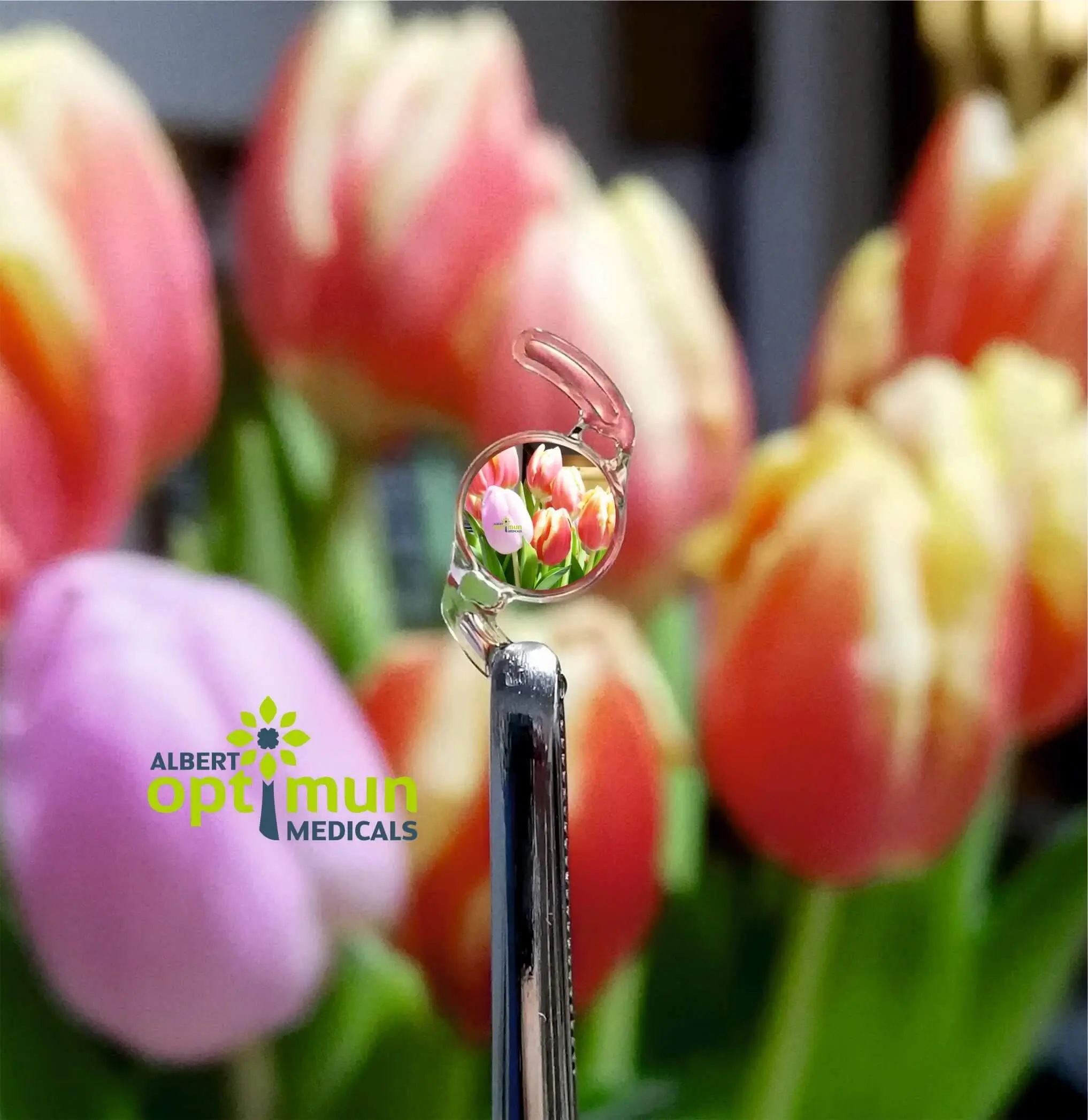
Cataract, or the clouding of the eye's lens, is a natural phenomenon associated with aging that affects most of the polulation. Just as we observe and accept changes in our skin as we age, the same occurs with the lenses of our eyes. The lens is transparent due to a delicate internal balance maintained by the lens membrane. Over time, with the aging process, this balance is disrupted, and the lens becomes cloudy. Although we cannot predict exactly when this will happen or how it will evolve, most people develop cataracts at some point in their lives. The extended lifespan and increased need for visual clarity have led to a rise in surgical interventions.
The fast-paced lifestyle and technological advancements have created a heightened demand for visual acuity, as seen with the widespread use of smartphones. Thirty to forty years ago, even landline phones were not widely used, but now almost everyone has a mobile phone to "bridge" social distances. Nowadays, grandparents view pictures of their grandchildren on electronic devices. The situation is the same with television. Regardless of the increasing sizes of electronic devices, we are eager to see and perceive more useful information, necessitating improved vision quality.
Senile cataracts decrease both the quantity and quality of vision. Initially, the decrease in vision may not be consciously noticed, but a sense of fatigue may be felt. Over time, the light from bulbs may become insufficient, and tasks requiring precise vision may become increasingly challenging. Many people shrug off and avoid such tasks, considering them unnecessary. Over time, this can lead to self-isolation and a decline in orientation skills. It is not worth waiting for this point, which significantly reduces quality of life.
Cataracts can be relatively painlessly and quickly resolved. Many delay seeking medical attention out of fear at the mere mention of "surgery." After undergoing the actual procedure, this fear seems unfounded and irrational. The eye is perhaps the most complex human sensory organ, and the information about the real world transmitted affects most aspects of life. Cataract surgery is minimally invasive and "easy" (at least for the patient). Nowadays, folk remedies such as "waiting for it to ripen" are no longer practiced. On the contrary, early surgery prevents the physical and mental decline of the petient. Visual rehabilitation after surgery is aided by modern measurement techniques and advanced surgical instruments, provided there is no other eye pathology affecting vision.
The surgery does not require special preparation on the patient's part. During the ophthalmological consultation, the diopter is measured and calculated, and the type of artificial lens to be implanted is decided. The intervention requires sterility, necessitating the elimination of any possibility of infection, i.e., preventing bacteria from entering the eye. The surgery is painless, with anesthesia being applied with anesthetic drops (without injection), so there is no pain, and the patient feels nothing. Another advantage of anesthetic drops over injections is the absence of bleeding, allowing patients undergoing anticoagulant treatment (e.g., cardiac patients treated with thrombostop) to be safely operated on. The current operative technique is based on a modern device with ultrasonic vibrations, which successfully liquefies and extracts the lens material and implants an artificial lens through a small incision of 2.2 mm. The duration of the operation is usually 10-15 minutes, after which the patient can go home without major restrictions. At home, there is no need for special care; only the use of a few topical drops 3-5 times/day is recommended. Postoperative checks are done the next day and one month after the surgery.
We have good news for the younger generation wearing glasses! The descriptions above have focused more on the elderly, but with the evolution of artificial lenses and measurement and calculation methods, we have the freedom to calculate the surgical result for good distance vision, even independence from glasses regardless of the diopters previously worn. So, it is a viable and permanent possibility of diopter correction and elimination of glasses through a painless 15-minute intervention.
With additional information, I am at your disposal during a specialized consultation.
Dr. Albert András, Ophthalmologist, PhD
Albert Optimun Medicals – with a focus on health!
Appointments: +40 770 11 22 55