H2 lactose/fructose breath test
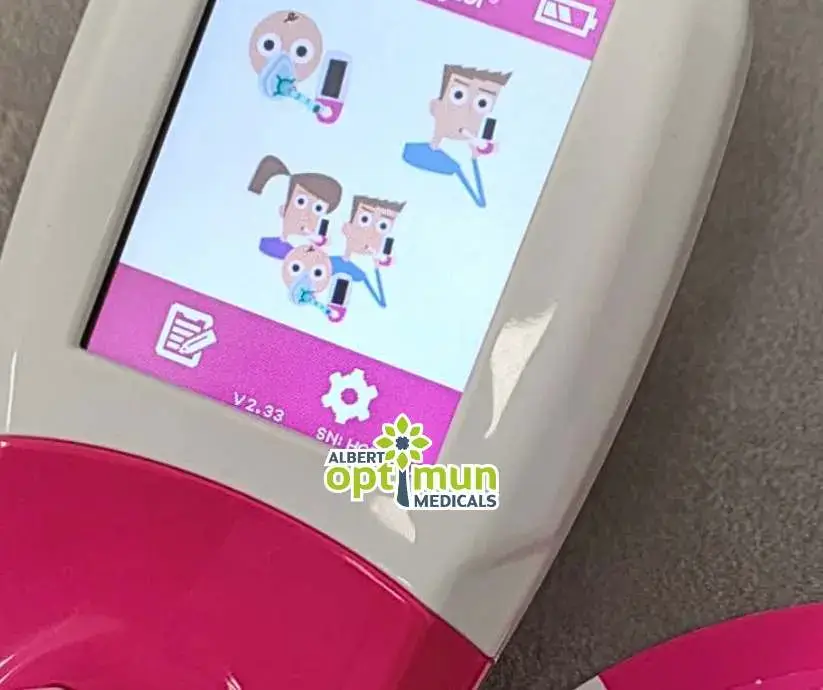
After birth, our food is breast milk. In infancy, lactose (milk sugar) in milk is an energy source that the body can generally use efficiently. Lactose is broken down by the enzyme lactase, located in the upper third of the villi of the small intestine.
The level of the enzyme decreases with age, and the breakdown of lactose reaching the large intestine can cause symptoms (lower abdominal pain, bloating, cramps, tiredness, a feeling of fullness, headache, diarrhoea, vomiting and reduced concentration).
Lactose intolerance may be congenital (absence of the enzyme) or adult-type (developing from around 3.5 years of age at the earliest). The intestinal lining is responsible for producing the enzyme, so damage to it can also temporarily reduce lactase production and cause temporary intolerance.
Because lactose is broken down in the large intestine into gases (mainly H2) and acids, lactose intolerance can also be investigated with a hydrogen breath test, using a painless series of breath samples.
Fructose found in fruit can also cause symptoms similar to lactose intolerance. The same type of test can be used to investigate fructose intolerance.
No blood sampling or needles are required. After following the appropriate diet, a series of breath samples is taken to investigate whether the symptoms are caused by lactose/fructose intolerance or something else.
The hydrogen breath test requires preparation. Please follow the instructions below so that the results can be interpreted properly.
The examination cannot be performed if you have a fever or a catarrhal illness.
When arranging the examination, tell your doctor about illnesses during the previous 2 weeks and any medicines you take occasionally or regularly. For medicines containing lactose, your doctor decides whether they should be temporarily stopped or takes their lactose content into account when interpreting the result. Antibiotics affect the test result; the clinic's existing instructions require waiting at least 15 days after antibiotic treatment before attending for the H2 test.
MEDICINES BEFORE THE EXAMINATION
Discuss medication changes with your doctor; do not stop prescribed treatment on your own. The clinic's preparation schedule lists:
- During the preceding 2 weeks: antibiotics and probiotics
- During the preceding week: medicines affecting digestion and acid-reducing medicines
- During the preceding 2 days: laxatives
ON THE DAY OF THE EXAMINATION
The examination is performed on an empty stomach and takes approximately 3 hours.
BEFORE THE EXAMINATION
- Do not use toothpaste or mouthwash.
- Do not use lip gloss or lipstick.
- Do not eat sweets or chew gum.
- Discuss your morning medicines with your doctor in advance; the clinic's existing instructions ask you to bring them with you rather than taking them before the test.
- Do not drink coffee or tea.
- Do not smoke.
It is important to brush your teeth thoroughly in the morning without toothpaste and not to swallow the rinsing water. Brush without toothpaste when you get up and again before leaving for the examination.