Haha, allergic hay fever can be cured!
Dr. Albert Kinga allergist, Albert Optimun Medicals, Sepsiszentgyörgy, www.optimun.ro
But what is hay fever?
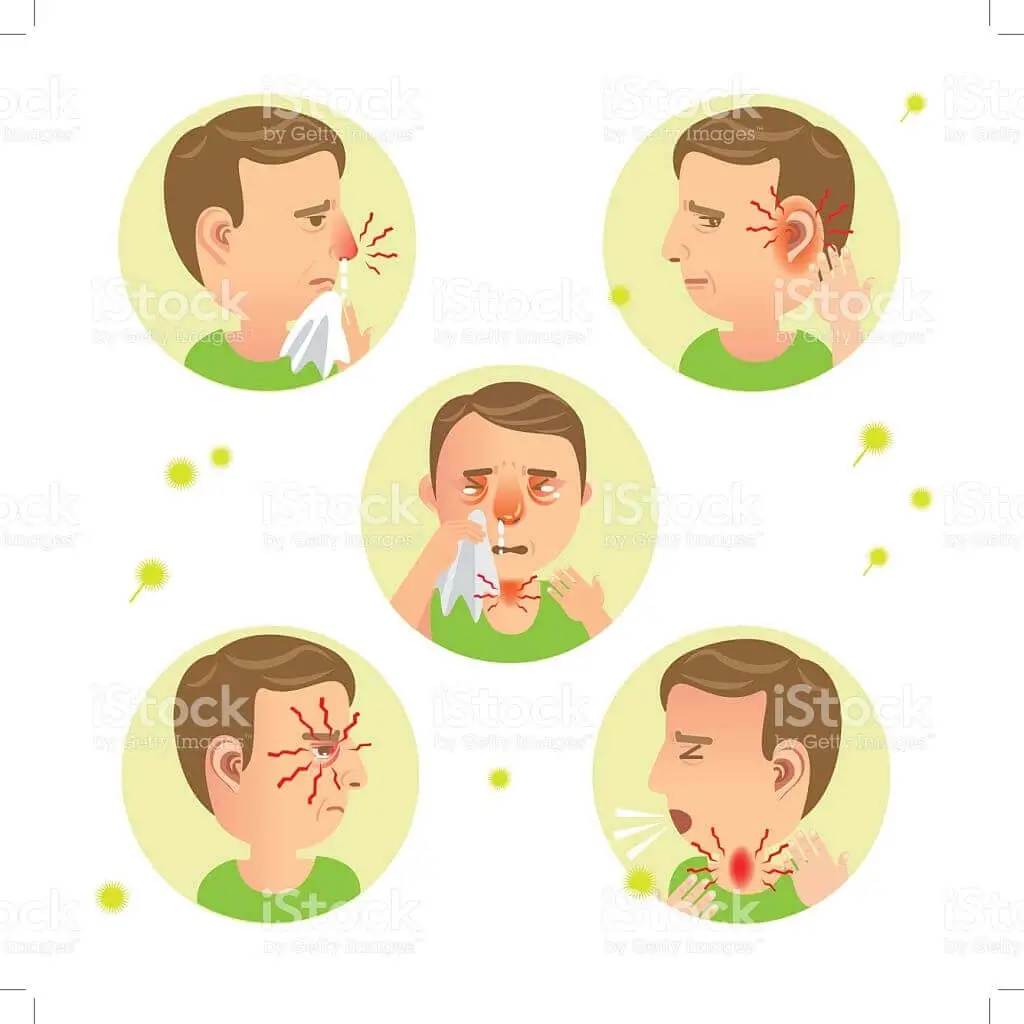
Constant stuffy nose or annoying runny nose? Tears, sneezing, itchy eyes and nose? a recurring cough torments you or your child - it can be the first warning sign of allergic hay fever!
Allergic hay fever, also known as rhinitis, manifests itself in those whose bodies become hypersensitive to environmental allergens (house dust mites, various molds, pollens, animal epidermal cells). Allergens in the house usually cause symptoms continuously and insidiously throughout the year, the course of which is rather noisy, so to speak, the affected person gets used to it, admits to himself that he has difficulty breathing and evaluates the condition as a frequent cold.
Hay fever caused by pollens and outdoor molds can manifest itself much more noisily, with a severe runny nose, lacrimation, conjunctivitis (the patient often consults an ophthalmologist) and even asthma-like breathing difficulties. Allergic hay fever reduces the ability to perform at school or at work, concentration, and the quality of sleep.
Why is allergic hay fever a dangerous condition?
„This child is constantly cold. Winter and summer. He goes to kindergarten and school for one week, I take care of him at home for two."
"Oh, I can handle the 1-2 months a year it blooms. What could be wrong with me?"
"My neighbor/acquaintance recommended medicine last year as if it helped. But the timeI'm not completely anymore. "
Frequently heard sentences in the allergology clinic, but it is very important to know that the appearance of allergic hay fever worsens over time and can cause permanent narrowing of the airways, i.e. it is a risk factor for the development of asthma. Research has shown that out of 100 people suffering from allergic hay fever, if left untreated, 50 people will most likely develop asthma within a few years. Since allergic diseases mainly affect children and young, active adults, the outcome of allergic hay fever can be worrying. However, the process can be avoided and the problem can be remedied.
Treatment options for allergic hay fever
We have two choices, but we often combine the two. With drug treatment we alleviate the symptoms, inject a substance into the body that prevents the appearance of allergic symptoms (prevents the release of histamine), reduces allergic inflammation of the eyes and nasal mucosa.
The other option is allergen specific immunotherapy, with which we can recover from certain types of allergic hay fever.
What is allergen-specific immunotherapy and for whom is it recommended?
Targeted treatment, with the help of which we not only cover the symptoms of allergies, but also achieve real healing. Painless procedure, available as sublingual drops or tablets, its use is recommended for 3 - 5 years, currently in Hungary house dust mite, cat, dog epithelial cell, different they are pollen or mold it is possible to treat allergic hay fever caused by sensitization. Its application is simple, safe, done at home by the patient and protects against the development of new allergies in the long term. In fact, there is a possibility bee and wasp stings also for the treatment of caused allergies!
In the case of children, it can be safely used around the age of 5. A cured allergic hay fever will not cause asthma.
Immunotherapy treatment can be recommended by an allergist after appropriate examinations.
Who is it not recommended for?
Its daily application requires persistence, it takes 3 years to achieve its effect. Prematurely interrupted treatment does not lead to the expected result. At the same time, it is not recommended for people with autoimmune diseases, cancer or heart disease with high risk factors, or uncontrolled asthma.
How is allergic hay fever diagnosed?
Allergy detection to identify the cause of the symptoms. This can happen with skin testing (prick test), the result is fast and painless, provided that the patient does not take anti-allergy treatment beforehand. If the skin test is not feasible, from blood, allergic antibodies through its detection, we identify the root cause of allergic hay fever.
Examination of respiratory organs - since allergic hay fever is a risk factor for the development of asthma and it is an allergic inflammatory disease of the mucous membranes, if there are respiratory complaints, the patients are examined in this direction as well
- Lfire roads degree of inflammation investigation – FeNO - measurement of NO exhaled from the airways: it is simple, painless and gives results within minutes. An elevated value of exhaled NO indicates airway inflammation, an indirect marker of the most common chronic airway inflammation, asthma.
- Spirometric test, which is the airways about the narrowing and provides information on its medicinal reparability.
A full examination is recommended, because this way we can effectively deal with allergic hay fever, its consequences and choose an optimized treatment suitable for the patient.
Dr. Albert Kinga allergist, Albert Optimun Medicals, Sepsiszentgyörgy, www.optimun.ro