Eczema on the hands during the coronavirus infection
Dr. Albert Kinga : Eczema on the hands during the coronavirus infection
Red spots on the palms, painfully stretched skin? Net wounds, boils, shedding? So many symptoms, different faces of hand eczema. Until now, these skin problems were known to patients with atopic dermatitis or dyshidrosis, but as a result of a lot of hand washing, use of disinfectants and gloves, many adults and children recently developed an irritative reaction on the hands, palms or even forearms.
Proper and frequent hand washing and the use of various hand sanitizers are one of the best ways to prevent the spread of the coronavirus on skin surfaces, their usefulness and importance are unquestionable. However, it is also important to talk about how we can mitigate the side effect of these precautions, the dryness of the hands, that is, the development and worsening of hand eczema!
How does it develop?
Frequent hand washing - In order to prevent the spread of the virus, we use antibacterial cleaning agents much more often and in larger quantities, and liquid soap forms are very common. These stick to our skin better than solid soaps. Regardless of form, on the one hand they draw water away from the skin due to their detergent properties the sealing fat layer of the upper skin layer is removed and the more antibacterial they are, the better harsher effect they practice on the skin of our hands. Washing hands or dishes with warm water it opens the pores of the skin and loses even more water the already dehydrated skin.
Hand sanitizer gels – aki nem tud megfelelő körülmények hiányában kezet mosni, (sokkal több) kézfertőtlenítőt használ. These are usually found in the form of an easily absorbed gel, they are very effective in stopping the spread of the coronavirus, but due to their alcohol content, they draw water from the skin layers and cause skin dryness. Alkalmazásuk után szintén csalóka érzésünk lehet, a bőrünk nedves és puha érzésű.
Use of gloves – latex or nitrile-based gloves protect our skin from the outside world, but at the same time create a sweaty environment, the in humid heat, the pores expand even more and the skin of the hand loses more water than we think. Moreover, the image is very deceiving, taking off our gloves gives us the impression that our hands are soft and warm. That's right, but we practically sweated out the natural protective layer and the water layer.
Permanent disinfection - in order to stop the spread of viral infection, we bombard our homes and our environment with more aggressive cleaning agents (use of many chlorine-based agents!), these if gloves are not worn, they can irritate directly the skin of the hand and forearm.
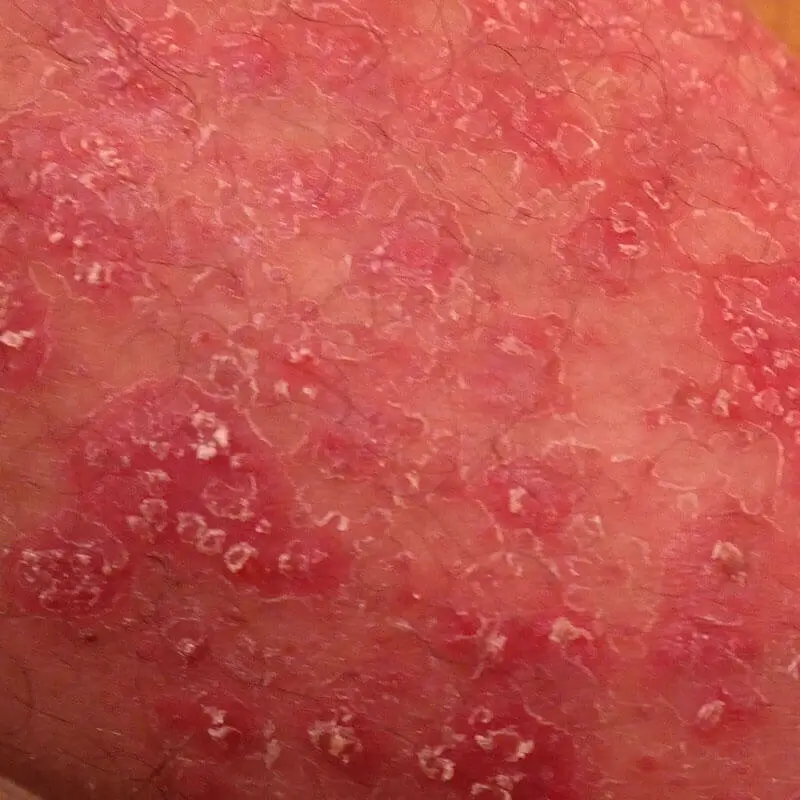
What does eczema look like??
Usually it is first signs the dry palms, painfully stretched, thinned skin, which is after the umpteenth aggression it starts to turn red. THE in the next phase the redness can become permanent, small, exuding blisters with a feeling of discomfort may appear on the back of the hand, on the lateral surfaces of the fingers, itch steps up. After that the skin cracks, thinned, appear small red rash-like bumps, the process spreads, then as a result of scratching the painfully itchy area, roasting can perform.
What is this?
In most cases, it is one irritative reaction , is called contact dermatitis (eczema), which is caused by the combined effect of the factors listed above. It affects equally adults (in the case of healthcare workers, due to occupational exposure, it is more frequent and pronounced) and children.
There is rarely a real allergic process in the background, however, most patients think they are allergic to soap, gloves, disinfectants, etc. It is indeed caused by these factors, but not in an allergic but irritative way, by destroying the upper layer of the skin and thereby removing water from the lower layers, the skin dries out. Allergic sensitization can be a consequence of irritant contact dermatitis, but this takes time.
How do we treat it?
In order to prevent the spread of the coronavirus, it is extremely important to wash your hands thoroughly and frequently, use hand sanitizer, and use gloves when justified, so we should not cure our eczema by reducing or neglecting these precautions!
However, it is important that AFTER EVERY HAND WASH, let's gently drink the water off our skin, WIPE IT DRY and LET'S CREAME IT!. Because this operation is more difficult to perform after using hand sanitizer, in order to avoid the worsening of eczema, proper hand washing is more recommended than the use of hand sanitizer gel. If it is only possible to use disinfectant gel, cream your hands between applications, if possible. When cleaning, washing, use protective gloves then we cream our hands.
Irritant contact eczema formation preventable and the developed dermatitis can be treated at home in the initial stages, using appropriate hand creams. The right cream is the one that hydrates our skin at the same time, i.e. it replaces the lost water, and it covers a protective, sealing layer of fat on top of the skin so that the replaced water cannot evaporate under the broom. Without claiming to be exhaustive, I would like to list products available in pharmacies, which, when used properly, can help to overcome the early stages of hand eczema at home, forming a protective layer on the skin: e.g. Dexyane MeD, Cicaplast Manis, Cicaplast, Dermalibour+Barrier, ABCDerm Hydratant, Xeracalm AD, Cicalfat, etc. It's my personal preference Exomega control emollient cream.
If these do not help, or hand eczema is in an inflammatory, painful phase, specialist help may be needed, do not hesitate to consult a specialist!
Details of the online consultation option a www.optimun.ro page (service notice).
Common mistakes
If we only lubricate our hands when there is a problem, the problem will soon recur. Yes, constant hand washing is difficult and boring, but it is useful. Likewise we have to build it the into everyday routine after hand washing also creaming.
If we smear everything we find at home on our hands and what comes to mind that has ever helped - this usually means the use of steroid creams, but this should only be done under the supervision of a specialist, because the with improper use, we further thin the skin and this can also favor super-infection.
Perhaps the most common mistake is that when using a medicated cream, we forget about the moisturizing and greasing basic treatment. Use of medicated creams NEVER it doesn't have to happen on its own, ALWAYS supplement with nourishing, protective creams. It is very tempting that strong steroids seem to make the problem go away in 2-3 days, but this is only a temporary solution, the eczema flares up again very quickly!
Important!
Let's not forget there is no miracle cure, no specialist can recommend a cream that will make the problem disappear forever, preferably overnight, but there are permanent solutions. Let's entrust our treatment scheme to a specialist and proceed as prescribed.
Dr. Albert Kinga
Allergist and clinical immunologist
Details of the online consultation option a www.optimun.ro page (service notice).