Dog trouble, cat trouble - symptoms, correct diagnosis and treatment options for allergies caused by pets
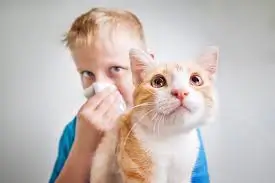
Dog trouble, cat trouble - symptoms, correct diagnosis and treatment options for allergies caused by pets
Dr. Albert Kinga, allergist and clinical immunologist specialist
Few people think that pets living in the same household as us can also be responsible for the development of allergic diseases. The most frequently affected animals are cat and the dog, but it can happen guinea pig, domestic rabbit or something rodent also caused by an allergic problem. The main reason we don't think of pets as the cause of our symptoms is that even long-term cohabitation can prevent the development of symptoms (although it is not uncommon for symptoms to flare up as soon as a new family member arrives) and in the background of allergy problems, lay people usually look for what is new in their environment that could be responsible for triggering the complaints. Secondly, people are strongly emotionally attached to their pets, and it is difficult for them to realize that they could be at fault for anything.
If in the company of any animal our nose starts to get stuffy and/or runny, we sneeze, our eyes itch, we cry, cough or even experience difficulty breathing, chest wheezing, wheezing, it is most likely that we are dealing with an allergic disease caused by the animal. This type of allergic disease can be responsible for the appearance of permanent allergic symptoms, contact with allergens can occur in our home, workplace, school, kindergarten or any other environment, even if the animal in question is not physically present.
Many, wrongly fur allergy they know, but for most animals, the real source of allergens is the epithelial cells that come off the body surface and the urine and saliva that gets on their fur.
The most common symptoms of allergies caused by pets
- Nasal congestion, runny nose, itchy nose
- Recurrent sinusitis, tense facial pain due to a constantly blocked nose
- Cough, difficulty breathing, wheezing
- Itchy, watery, red eyes
- The appearance of skin rashes - it is not uncommon after petting a cat or dog or it can occur when coming into contact with the animal's saliva, at the place of scratching
Diagnosis, correct examination
The severity of allergy symptoms caused by small animals can be anything from mild to severe, depending on the allergen saturation of the given room and individual sensitivity (the degree of the developed allergy). It is important to know that initially mild symptoms may worsen over time or even worsen allergic asthma can also develop, which is much more difficult to handle. It can develop in both children and adults.
The correct and accurate diagnosis is established by an allergist specialist, if possible (dog, cat) with the help of Prick testing. It is a painless, quick and reliable test that takes only 20 minutes. If this cannot be done (for example, the patient is under antihistaminic treatment or the specialist suspects a type of pet where prick testing is not possible), we can get the correct diagnosis from a blood analysis.
If the symptoms are common or cough, wheezing, difficulty breathing is included in the medical history, it is extremely important performing an asthma screening, the spirometry test, the breathing test, which examines the narrowing of the airways, and the NO exhalation test, which determines the extent of the inflammatory process in the airways. Both tests can be performed in a modernly equipped allergology clinic at the same time as the testing.
Treatment
It is not worth relying on a self-diagnosis at home and taking medicines known from advertisements, because the situation can sometimes be deceptive - in many cases, we are not allergic to the particular animal, but to dust mites, various pollens, and molds that the pet collects with its fur from outside or from the apartment. Don't be careless with yourself, because it can cost you your health. We carry a developed allergic asthma with us for a lifetime.
Depending on the severity of the symptoms, the allergist prescribes preparations containing antihistamines, suitable nose and eye drops, these relieve the symptoms, but it is important to understand that they do not cure us. Allergen-specific immunotherapy is considered a cure for cat allergies. With the help of molecular diagnosis, the allergist isolates those patients where he can provide substantial help with the existing problem. If allergic asthma has developed, allergy treatment is complemented by asthma treatment.
Prevention, things to do at home
If an allergy to the given pet has developed, the smartest and most recommended thing is to remove the pet from the environment. This eliminates the allergen source and the sufferer does not become asthmatic.
If this is not possible, or if it takes time to place the pet elsewhere, the following steps are recommended:
- No way not we allow the dog or cat to the bedroom, we limit his range of motion. In any case, be aware that the fact that the animal, e.g. you can stay in one room, the allergen is not limited to that room only. The fine little hairs can go anywhere with air movement, clothing, and contact.
- Don't caress, don't kiss the animal. If this happens, wash your hands with soap and water.
- HEPA (high efficiency particulate air) daily use of vacuum cleaners with filters can reduce allergen levels. Using air filters can also help.
- The dog or cat is weekly bathing reduces the amount of allergens circulating in the air.
It is important to know that cat allergens are extremely resistant, stuck to tiny hairs and can bother a sensitive individual for up to 11 months in an apartment where there is no longer a cat, or stuck to a piece of clothing. The physical presence of the animal is not necessary for the symptoms to be present!
Do non-allergenic (hypoallergenic) pets really exist?
A series of scientific research proves that there is no such thing as a hypoallergenic cat or dog. These animals constantly produce the proteins that cause allergic symptoms, the largest percentage is present in their urine and saliva, but the epithelial cells that come off their bodies can also cause problems. Currently, there is no known cat species in which these proteins are produced less. In the case of cats, research has also shown that there is no specific correlation between the length of the animal's fur, its sex, the time spent indoors and the strength of the symptoms it causes. Therefore, cats with a naked body or shorter hair are not considered "less allergenic" (not hypoallergenic). The same applies to dogs, but several terrier breeds, the Portuguese water dog and poodles are considered hypoallergenic. A 2011 study comparing the amount of basic dog allergens present in the household in families with normal and hypoallergenic breeds found no significant difference between the two groups.
So the promise of a hypoallergenic pet is an extremely good advertising ploy!
Feel free to contact us for more information, an accurate diagnosis or correct, appropriate treatment. Make an appointment by calling 0267318786.
Dr. Albert Kinga
Allergist and clinical immunologist