Coronavirus, flu, hay fever. Do you know the difference and similarities between their symptoms?
Dear patients!
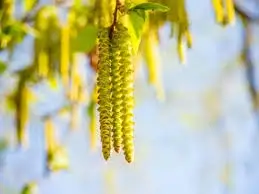
Although our days are roughly the coronavirus infection revolves around the fact and its avoidance, but this does not change the fact that spring has arrived and thanks to the warming and good weather that has been going on for several weeks, the FLOWERING OF BIRCH TREE.
So started this year's pollen season, but for now this is a cause for concern only for those who like the early-flowering baraceae (hazel, alder, birch) were sensitized to its pollen. The typical symptoms include a runny nose and/or nasal congestion, sneezing, itchy eyes, watery eyes, it's like a long-lasting cold, but it's actually not that, but allergic rhinitis, popularly known as hay fever. Unfortunately, the symptoms of respiratory allergies can resemble the symptoms of a cold or in patients where, in the absence of adequate treatment cough performs, even corona virus infection may also be suspected.
I am attaching it below American Society of Allergology very useful diagram, which can help to isolate these diseases that are potentially present at the same time. I think it is very important to underline that in case of suspicion of corona virus infection, we contact the appropriate authorities immediately, because the most important thing is early diagnosis and isolation.
However, those patients who KNOWN and DEFINITELY the to the pollen of birch trees people with allergies (confirmed by an allergist) and it is more difficult for them to get to the specialist appointment due to the existing health situation, it is recommended for them to start symptomatic treatment.
It would be time for patients to become aware of exactly what pollen they are allergic to - even now, many people return to their appointments knowing only that "I have a POLLEN allergy". However, different pollens approx. are found in the air from February to October, that is an allergist always clarifies during the examination, which pollen it is and when it blooms. Obviously, symptomatic treatment is only recommended for the affected period.
I always recommend this to my patients apply at the beginning of the season for a control examination and we adjust the symptomatic treatment for the season according to their complaints. However, those patients who have not applied so far will probably find it much more difficult to get to a specialist consultation, or they will not be able to get there at all because of isolation in order to stop the spread of the corona virus, but will suffer at home. Those of you who have been planting at home so far, please take out last year's treatment scheme. It is not the most correct, but perhaps the most appropriate measure at the moment.
Why is this important?
- Because spring is early this year and the pollen content of the early flowering trees in the air is high, already causing cold-like symptoms. If we know that this is the only problem, there is no need to overload the family doctor's offices or expose ourselves to possible other infections.
- Because asthmatic symptoms may appear if left untreated, and then the patients will be much more exposed to other infections at the doctor's appointment.
- Because this condition is now really avoidable and so are its complications.
I would emphasize that it is patients diagnosed with allergic asthma and undergoing treatment should NOT interrupt their chronic treatment, because as the underlying disease worsens, they will be more exposed to the risk of coronavirus infection.
THE COVID-19 infection and that allergic rhinitis the most important difference between the allergies no fever or with muscle pains. However, it is characterized by frequent, paroxysms of sneezing, which is preceded by a feeling of stuffy nose. This is not typical of the virus caused by the coronavirus infection. Unfortunately, both diseases can occur dry cough, in the case of patients with allergic rhinitis, mainly in the absence of symptomatic treatment. A typical difference is shortness of breath, which is a typical symptom of the COVID-19 infection, but is not common in the case of either a simple cold or the flu or hay fever (only in neglected evenings).
Our allergology clinic is currently operating at a reduced capacity in order to prevent corona virus infection, focusing on the prevention of coronavirus infection. For more information or to make an appointment for a consultation, call 0267318786.
Feel free to document the allergy topics www.optimun.ro page, on a blog from an authentic source. According to my plans, I will present a lot of new information of public interest in the near future. However, our primary interest is to curb the corona virus epidemic, by washing hands, protection, isolation, its underlying diseaseby handling ink.
I would like to emphasize once again that my advice is intended for patients who are known to be sensitized to BIRCH POLLEN, who have already received symptomatic treatment correctly prescribed by a specialist in previous years!
Regards,
Dr. Albert Kinga
Allergist and clinical immunologist