Corona virus infection, allergies, asthma - possible connections
Coronavirus infection, allergies, asthma - possible connections
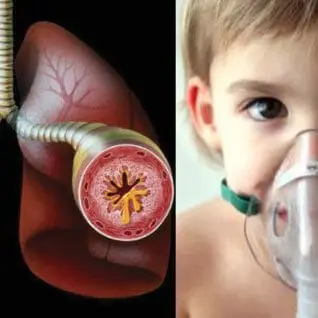
CROWNVIRUS INFECTION, ALLERGIES, ASTHMA
In recent days, many people have contacted me, people suffering from asthma or other allergic diseases (hay fever, atopic dermatitis, recurrent wheezingers), all of them were looking for the answer to what happens if someone catches the coronavirus infection? I tried to document myself accurately from the most reliable sources, below I will try to give understandable answers to the questions that arose. . Understandably, there are no studies conducted on a large number of cases (there was no opportunity, not enough time passed, this was not the priority, etc.), but a couple of case studies conducted in China were published, the results of which are consistent:
What do we know?
THE Centers of Disease Control and Prevention (CDC) according to the most common symptoms of corona virus infection are fever, dry cough, difficulty breathing, feeling tired, muscle pain. In addition, it is worth mentioning a loss of smell and possible diarrhoea complaints too. The virus is mainly spread by droplet infection.
Which groups are more affected?
They are older and those who have with more serious underlying diseases have, they are more prone to more serious forms of illness:
- heart diseases
- Diabetes
- respiratory diseases.
What do we want to know?
So far, it seems from the studies that it is with allergic rhinitis (with hay fever, various pollen allergies, dust mite or mold sensitization patients with children with recurrent wheezing or other patients with allergic skin symptoms (rash, atopic dermatitis, contact eczema, etc.) patients THEY ARE NOT MORE ABLE for viral infection, nor in case of possible infection more severe symptoms are not expected, as in the case of the average population. So they belong to the normal risk group, but of course this statement needs to be followed by many clinical case studies.
The situation is a little different for people suffering from chronic respiratory diseases. The two most common respiratory diseases today are asthma and chronic bronchopneumopathy (chronic obstructive airway disease, COPD). It seems that the COVID 19 infection can cause more damage to the soil of the affected, diseased airways - the extent of the damage depends on the level of control of the underlying disease. The asthmatics case can lead to asthma recurrence (exacerbation), in the case of correctly treated and well-maintained asthmatic patients, this means that you must be able to use anti-seizure drugs. It is not recommended to stop or change the asthma treatment by the patient in any way.
According to the position of the WAO (World Allergy Organization), patients suffering from allergic hay fever or allergic asthma should not change their medication, and those undergoing immunotherapy treatment should not stop their desensitizing treatment. There is no reliable data that the use of corticosteroids that enter the body via inhalation (asthma puffs), nasal sprays (allergic asthma, hay fever) or the use of antihistamines and biological agents used in allergic diseases would represent a greater risk factor for catching the coronavirus.
Respiratory viruses are most often responsible for the recurrence of asthma, often serious, orally administered corticosteroids are necessary to cure the exacerbation. However, not all viruses have the same effect, for now we know that influenza and rhinoviruses can cause nasty asthma attacks (recurrences). At the moment, in the absence of experience:
- there is no data on whether the coronavirus can cause a large deterioration in the condition of asthmatics
- there is no evidence that people with asthma or other allergic diseases are more susceptible to catching the COVID-19 infection
- Asthma is a chronic disease, on the basis of which more serious complications of the COVID-19 infection may develop, especially in the absence of basic treatment.
What to do?
- Follow the treatment regimen regularly and disciplinedly.
- Follow the asthma action plan prescribed by the treating physician, if necessary.
- Get the necessary medicines!
- Avoid inhaling allergens that cause or trigger an attack (attention, it's pollen season), smoke, cigarette smoke or any irritating substances!
- Those who have problems or are unsure about the use of inhaled asthma medication can find documentation here
https://www.cdc.gov/asthma/inhaler_video/default.htm
THE COPD in the case of patients, it seems that more severe forms of the disease may develop.
In the case of people suffering from chronic respiratory diseases, it is recommended to maintain the sports, but you don't have to set personal bests now. Good physical fitness contributes to a balanced mental state.
Being the period of sensitization of BIRCH BIRCH POLLEN, I would emphasize that COVID-19 infection and that allergic rhinitis the most important difference between the allergies no fever or with muscle pains. However, it is characterized by frequent, paroxysms of sneezing, which is preceded by a feeling of stuffy nose. This is not typical of the virus caused by the coronavirus infection. Unfortunately, both diseases can occur dry cough, in the case of patients with allergic rhinitis, mainly in the absence of symptomatic treatment. A typical difference is shortness of breath, which is a typical symptom of the COVID-19 infection, but is not common in the case of either a simple cold or the flu or hay fever (only in neglected evenings).
Our allergology clinic is currently operating at a reduced capacity in order to prevent corona virus infection, focusing on the prevention of coronavirus infection.
Although our days revolve around the fact and avoidance of the coronavirus infection, this does not change the fact that spring and summer are coming, thanks to the warming and good weather that has lasted for several weeks, our patients will soon feel the different pollen seasons, and there are many seasonal treatments waiting to be specified, restarted and prescribed. Therefore, for the safety of all of us, I will be available as part of an online consultation, for details return to www.optimun.ro to the first page
Literature
- https://acaai.org/news/important-information-about-covid-19-those-asthma?fbclid=IwAR2mfj0MzgAiJ8eBtp0YLXEfV1hgu4G7oDnxg54pdAfYGGRKl_lEO1zdxj4
- https://www.cdc.gov/coronavirus/2019-ncov/specific-groups/asthma.html?fbclid=IwAR1e14nIj0JFhNI9l2S3B2JM5VNsqUPXNEdLhVx_qT2dTpzhpZEfB5eTABU
- https://medicalxpress.com/news/2020-03-asthma-covid-.html?fbclid=IwAR1QOoSjLvqKJ-8_KpQL97TBBEw-l_ymHlM9dJwuSo5RZH2XmhPeMts1WaE
- https://novel-coronavirus.onlinelibrary.wiley.com/
- https://ginasthma.org/recommendations-for-inhaled-asthma-controller-medications/
- https://www.worldallergy.org/UserFiles/file/Allergic_patients_during_COVID-19.pdf