Can I be vaccinated against COVID-19 if I have an allergic disease?
In the case of hay fever, asthma, urticaria, atopic dermatitis, contact dermatitis, eczema or other confirmed allergic diseases, the risk of an allergic problem (immediate or later) arising from the vaccination is the same as that of not allergic population in the evening. So a person with allergies (attention to those with a history of anaphylaxis!) is not at a greater risk of allergies than a person who does not have an allergic disease.
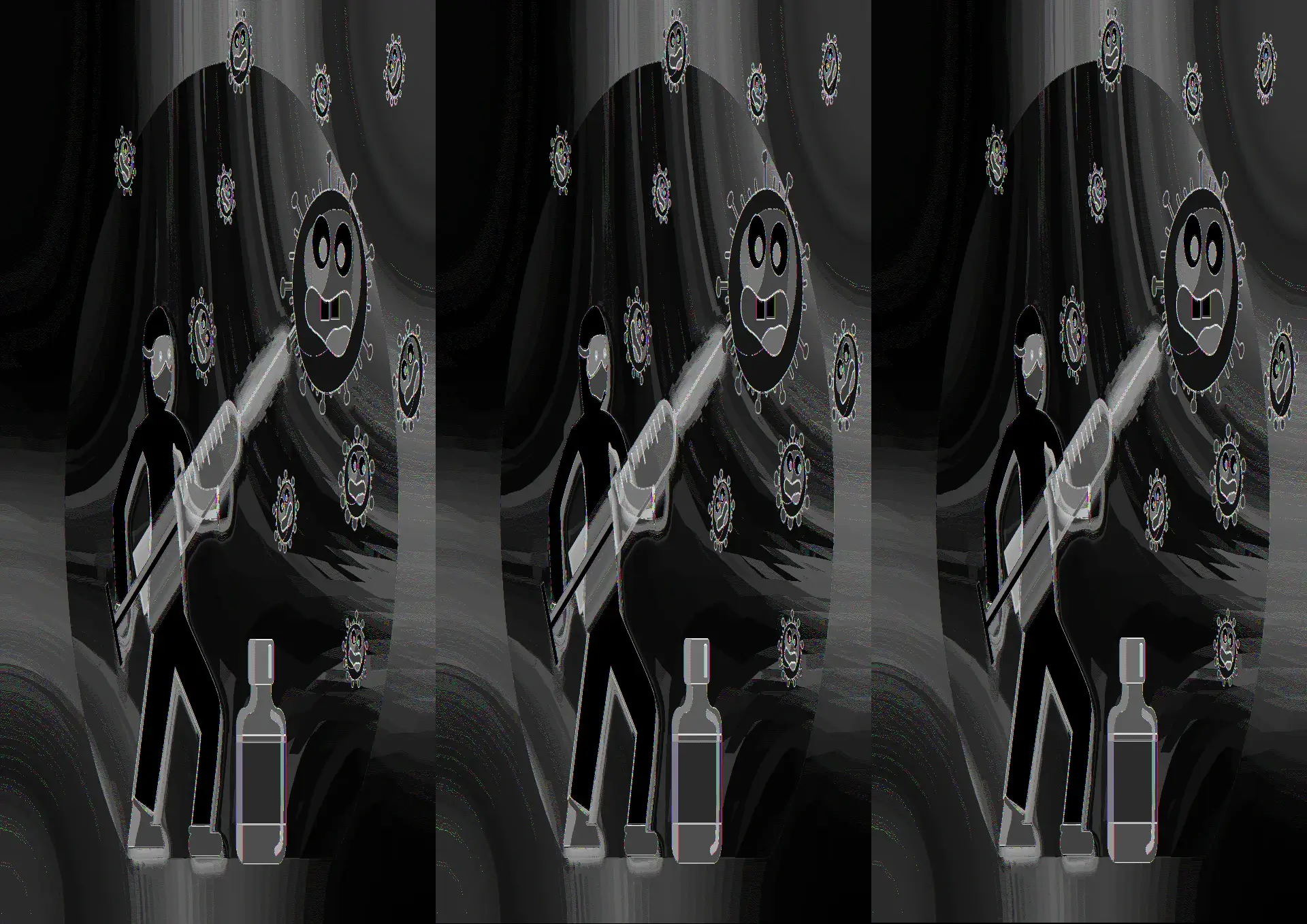
The answer to the question that is asked very often at the specialist's office is simple - yes, if the patient's medical history does not include a serious, life-threatening anaphylactic reaction caused by a vaccine, food or bee/bee sting, or if the person in question has been provided with a self-injecting epinephrine injection (EpiPen) by their specialist (recommended only in the case of proven anaphylaxis).
Therefore, in the case of hay fever, asthma, urticaria, atopic dermatitis, contact dermatitis, eczema or other confirmed allergic diseases, the risk of an allergic problem (immediate or later) arising from vaccination is the same as in the non-allergic population. Therefore, people with allergies (attention to those with a history of anaphylaxis!) are not exposed to a greater risk of allergies than a person who does not have an allergic disease.
What is anaphylactic shock/reaction?tion - a life-threatening condition, a severe allergic reaction, which requires immediate emergency care. A bee or wasp sting, drug or food allergy, etc. may be the trigger, the main characteristics of which are, without claiming to be exhaustive, combined: loss of consciousness, swelling, appearance of hives, drop in blood pressure, vomiting, diarrhea, difficulty breathing. Adrenaline is the first drug to be given in its treatment.
Allergic reactions are also included in the list of side effects caused by vaccinations, the frequency of which must be indicated by the manufacturer in the instructions for use. The given information comes from reactions occurring during clinical studies before the medicine is actually put on the market. Pfizer BioNTech's COVID 19 clinical phase III trials included 44,000 subjects, and based on these, it was stated that the chance of allergic reactions is small, negligible - it was present in 0.63% of those actually vaccinated and in 0.50% of those vaccinated with placebo, so the difference is not significant.
As with all drug-caused reactions, allergic reactions after vaccination are also characterized by unpredictability.
The MHRA (Medicine and Healthcare Products Regulatory Agency), i.e. the agency that approves the use of medicines, approved the aforementioned vaccine in an accelerated procedure, as it met the efficacy and safety conditions essential for controlling the epidemic.
Following the administration of the vaccine, it is mandatory to observe the vaccinated person in order to provide immediate and correct care for possible immediate, unpredictable, life-threatening allergic reactions, and the reactions that occur must be reported on a website specially created for this purpose (https://vaers.hhs.gov/index.html).
Two anaphylactic reactions have been reported during the use of the COVID-19 mRNA 162b2 vaccine, both in medical personnel with a history of anaphylaxis. Both were resolved without consequences thanks to early intervention. Based on this information, the MHRA does not recommend the vaccine in people with a history of anaphylaxis as a precautionary measure. However, as more information becomes available to that agency, this recommendation may change.
Although the information so far may seem scarce, preliminary studies have proven the importance of the vaccine in combating the pandemic, the strict and regulated authorization processes, and the relatively low number of vaccine-induced allergic reactions support the reliability of the vaccine.
Those persons those with a history of allergies occurring after vaccination (non-anaphylactic shock) reaction after vaccine administration 3o minute observation stay under.
Persons who do not have a particular history of allergies after the administration of the vaccine 15 minutes of monitoring time is recommended.
If a severe allergic reaction occurs after administration of the vaccine, administration of the next booster dose is not recommended.
Dr. Albert Kinga
Allergist and clinical immunologist
www.optimun.ro
Bibliography - get information from an authentic source!
Comunicat al SRAIC cu gîte la posiblele reactii alergice reported dupa administration vaccinului COVID-19 PFIZER/BioNTech https://www.sraic.eu/stiri/comunicat-sraic
ARIA - EAACI statement on severe allergic reactions toCOVID-19 vaccines – an EAACI-ARIA Position Paper
https://onlinelibrary.wiley.com/doi/epdf/10.1111/all.14726
CDC - COVID – 19 vaccines and Allergic Reactions
https://www.cdc.gov/coronavirus/2019-ncov/vaccines/safety/allergic-reaction.html